Congress May Not Be Done With Taxes Yet: What to Watch in the Lame-Duck Session
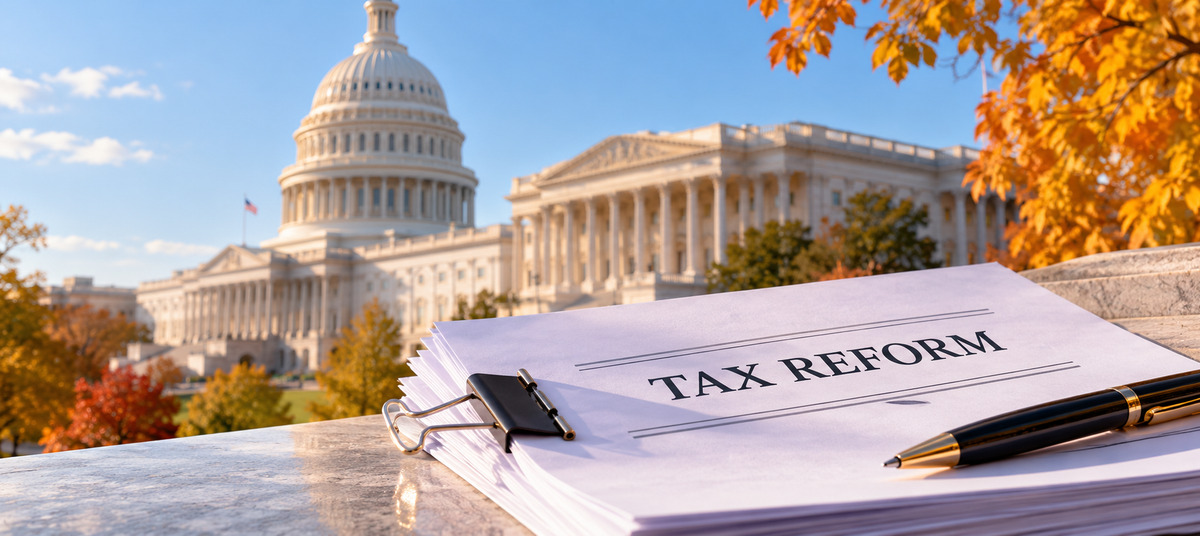
Congress has been surprisingly quiet on taxes lately. But that doesn't necessarily mean lawmakers are finished for 2026.
Earlier this year, there was relatively little appetite on Capitol Hill for another major tax package. After significant tax legislation in 2025, lawmakers largely turned their attention toward implementation, elections, government funding, and other priorities.
Now, attention is shifting toward the lame-duck session—the period after the November midterm elections but before the new Congress takes office in January.
While another sweeping rewrite of the tax code appears unlikely, tax professionals and businesses are watching to see whether lawmakers use those final weeks to pass a smaller collection of tax provisions, technical corrections, and taxpayer-service reforms.
First, What Is a Lame-Duck Session?
Every two years, Americans elect a new Congress in November, but the newly elected lawmakers don't immediately take office.
The existing Congress can continue conducting business through the end of its term. That period is commonly known as the lame-duck session.
This year, it could be particularly important because lawmakers already have several significant items waiting for them after the election. Federal government funding currently runs only into December, meaning Congress will have to return to spending negotiations before the end of the year. Those negotiations can create an opportunity for other legislation to move as part of a broader year-end package.
Don't Expect Another Massive Tax Bill
The potential year-end tax package looks different from the sprawling "tax extender" bills Congress has considered in previous years.
That's partly because there simply aren't as many major temporary tax provisions left to extend.
Changes made by the Tax Cuts and Jobs Act and subsequent tax legislation have made several provisions permanent or otherwise changed their expiration dates. Former House Ways and Means majority tax counsel Marc Gerson recently told Tax Notes that any 2026 extenders package is therefore likely to be smaller than those lawmakers considered in the past.
Whether even that smaller package advances could depend heavily on the political environment and congressional attendance after the election.
What Tax Issues Could Still Move?
Rather than another fundamental rewrite of individual and business taxes, current discussions are focused more heavily on targeted changes.
That could include traditional tax extenders, corrections to existing legislation, digital-asset tax rules, and changes intended to make the IRS easier for taxpayers and practitioners to navigate.
One of those efforts has already made significant progress. On September 30, the Senate unanimously passed the Taxpayer Assistance and Service (TAS) Act, a bipartisan package containing 65 provisions intended to modernize IRS operations, strengthen taxpayer rights, and improve tax administration.
The legislation now awaits action in the House, which isn't expected to return until November—putting it squarely on the lame-duck agenda.
Congress Has Already Shown It Can Agree on Targeted Tax Relief
There are signs that smaller tax measures can still find bipartisan support.
In September, President Trump signed the Doug LaMalfa Federal Disaster Tax Relief Certainty Act, which extended more favorable tax treatment for certain federally declared disaster losses and wildfire relief payments.
The measure passed the House by voice vote and the Senate by unanimous consent.
That doesn't mean other tax proposals will necessarily receive the same treatment. But it illustrates the type of narrower, bipartisan tax legislation that may have a path through Congress even when lawmakers have little appetite for another massive tax package.
Why December Could Get Complicated
Tax legislation won't be the only thing competing for lawmakers' attention.
Congress will have to deal with government funding before its current stopgap expires in December. Lawmakers are also facing decisions involving defense spending and other major legislation.
There's even discussion of addressing the federal debt ceiling during the lame-duck session.
In other words, tax provisions could become one piece of a much larger year-end legislative puzzle. Whether particular proposals advance may depend as much on broader negotiations as on the tax policies themselves.
What Does This Mean for Taxpayers and Businesses?
For now, the key word is watch.
There is no major year-end tax package that taxpayers should plan around today, and proposals under discussion could change significantly—or fail to advance at all.
However, taxpayers shouldn't assume that the rules in place on Election Day will necessarily be the final word for 2026.
Year-end legislation has historically created last-minute changes that tax professionals have to incorporate into filing-season planning. Even relatively narrow provisions can affect deductions, credits, reporting requirements, or IRS procedures.
That makes staying in contact with your tax professional particularly important as December approaches.
Congress may not have "tax fever" in 2026, but taxes aren't necessarily off the table.
The most likely year-end activity is considerably narrower than the major tax debates of recent years: targeted fixes, expiring provisions, IRS reforms, and other measures that can attract enough support to move through a closely divided Congress.
The bigger question is what happens after voters go to the polls on November 3.
Once the election is over, lawmakers will return to Washington with a government-funding deadline approaching and only weeks remaining before the current Congress ends. For taxpayers and businesses, that makes the lame-duck session worth watching—because even a relatively quiet year for tax legislation could still have a few changes left.
More About Us
Get to Know Prestige Accounting Services Group
Offices in Flemington, NJ, and Califon, NJ
Our Mission: At Prestige Accounting Services Group, we are on a mission to redefine the tax experience for individuals and small businesses. With a focus on personalized service, strategic planning, and expert guidance, we aim to empower our clients to succeed financially with confidence and ease.
Expertise in Action: With a wealth of experience and a team of dedicated professionals, we specialize in individual and small business tax preparation. While we excel in all areas of taxation, our passion lies in serving the unique needs of small business owners in New Jersey. We understand that small business taxation requires specialized knowledge and attention to detail, which is why we go above and beyond to ensure our clients receive the guidance and support they deserve.
Tailored Solutions for Every Client: Whether you're a high-net-worth individual seeking comprehensive tax planning or a small business owner in need of accounting and bookkeeping assistance, we have the expertise to meet your needs. Our team takes the time to understand your specific situation and develop customized solutions that align with your goals and objectives.
Why Choose Us?: What sets us apart from other New Jersey tax firms is our commitment to excellence and innovation in the field of taxation. We don't just prepare tax returns; we provide strategic insights, proactive planning, and actionable advice to help our clients achieve their financial goals. With a team of two CPAs, an EA, and an ERO, we have the expertise and resources to deliver exceptional service and results.
Your Success is Our Priority: At Prestige Accounting Services Group, we measure our success by the success of our clients. We are dedicated to building long-lasting relationships, providing unparalleled service, and helping our clients thrive in today's ever-changing tax landscape.
We can't wait for you to experience the Prestige Accounting Services Group difference.
Tax & Small Business Updates
Get the latest in tax and small business updates and issues that affect your finances and growth prospects.